
3d Printing vs. Injection Moulding

Up until now, making parts or prototypes has involved injection moulding – but 3D printing has developed into a real manufacturing solution.

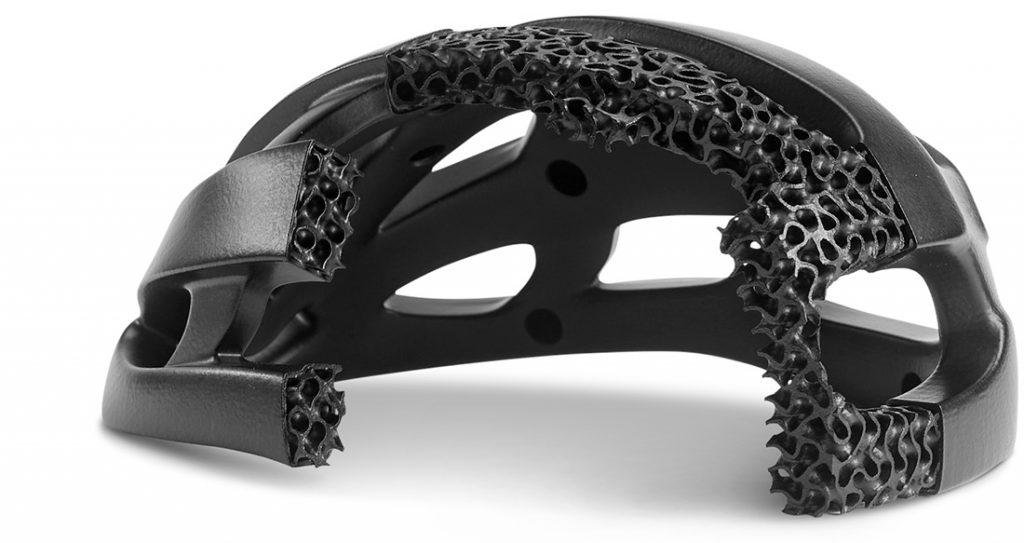
3D Printed Part - bicycle helmet

So what are they exactly?

What is Injection Moulding?

Injection moulding is making parts by injecting material into a mould – Molten material is injected into the mould, the material will then cool down and take a solid shape.

What is 3D Printing?

3D printing or additive manufacturing allows for the creation of objects with precise shapes. These are built layer by layer by depositing materials.

What's the difference?

With injection moulded parts, you need to pay for the set-up costs as well as the parts themselves. The moulds are expensive to make so initial costs are sky-high – but the unit cost of the part does get lower when you buy in higher quantities.

With 3D printing, on the other hand, you do not need moulds so the cost per part is stable. This is ideal for low to medium manufacturing – and with improvements in surface finishing, creating end-user parts is possible.

To make 1000 parts, you’d need an impression mould tool that can cost you between £3,000-20,000 – and take anything between 5-12 weeks to be made. With 3D printing, we can make this straight away without the initial set-up cost and within 4 days.

3D printing needs no tooling so it offers more creative freedom and a much faster turnaround.

Get a quote instantly

You can get a quote for your project instantly with our online quote builder

Get a quote

3D Printed Part

Your questions answered

We know it’s very technical – so we’ve set up a page for our frequently asked questions.

Read our FAQs

3D Printed Part